When large sums of money come in, the hardest part isn’t what to do with it it’s how you react to it.
There’s a rush that comes with seeing a bigger number than you’re used to. Relief. Excitement. Sometimes even entitlement. It can feel like permission to loosen up, upgrade things, or make decisions quickly just because the money is there.
I’m learning that those moments matter more than we realize.
Because money that comes in quickly can leave just as fast especially when decisions are made emotionally instead of intentionally.
Why Large Sums Feel Different
Large sums create a false sense of abundance.
Spending feels lighter. Small purchases feel insignificant. Discipline starts to feel optional. There’s often an unspoken urgency to “do something” with the money, even when nothing actually needs to be done.
The problem isn’t the money itself.
It’s the rush that comes with it.
Excitement clouds judgment. And when judgment is clouded, decisions tend to drift away from long-term goals and toward short-term satisfaction.

Learning to Pause Instead of React
One of the biggest lessons I’m still learning is the power of pausing.
Just because money comes in doesn’t mean it needs to be touched immediately. Not every decision needs to be made in the same moment the money arrives. Urgency is often artificial.
When I slow down, clarity shows up.
Letting the excitement pass creates space to think clearly about priorities, responsibilities, and long-term direction. Calm turns money into a tool instead of a temptation.

What I’m Learning to Do When Money Comes In
I don’t have this perfected, but I’m building a few principles that help me stay grounded when larger amounts hit my account.
1. I don’t touch the money right away
The first rule I’m learning is simple: wait.
Even a day or two creates emotional distance. It lowers the impulse to spend just because the money is visible. That pause alone has saved me from decisions I would’ve questioned later.
2. I let the excitement settle
Big numbers create big feelings. I’m learning not to make decisions at emotional peaks.
Once the excitement fades, the real questions surface:
What is this money for?
What does it need to support?
What would I regret doing with it?
Calm brings better answers.
3. I separate it from daily spending
When possible, I move larger sums out of my main spending account.
Separation creates protection. It keeps money from quietly disappearing through convenience purchases or emotional spending. Out of sight doesn’t mean out of control it means intentional.
4. I connect money to goals before desires
Before spending, I try to tie the money to something bigger than the moment.
Travel. Giving. Saving. Stability. Growth.
When money is attached to purpose, spending becomes more thoughtful. I’m not just asking, “Can I afford this?” I’m asking, “Does this align with where I’m trying to go?”
5. I make decisions in calm, not emotion
This might be the most important lesson of all.
Money decisions made in excitement, stress, or comparison rarely age well. Calm decisions tend to last longer and bring more peace.
Staying level headed protects progress.
Putting Money to Work, Not Just Letting It Sit
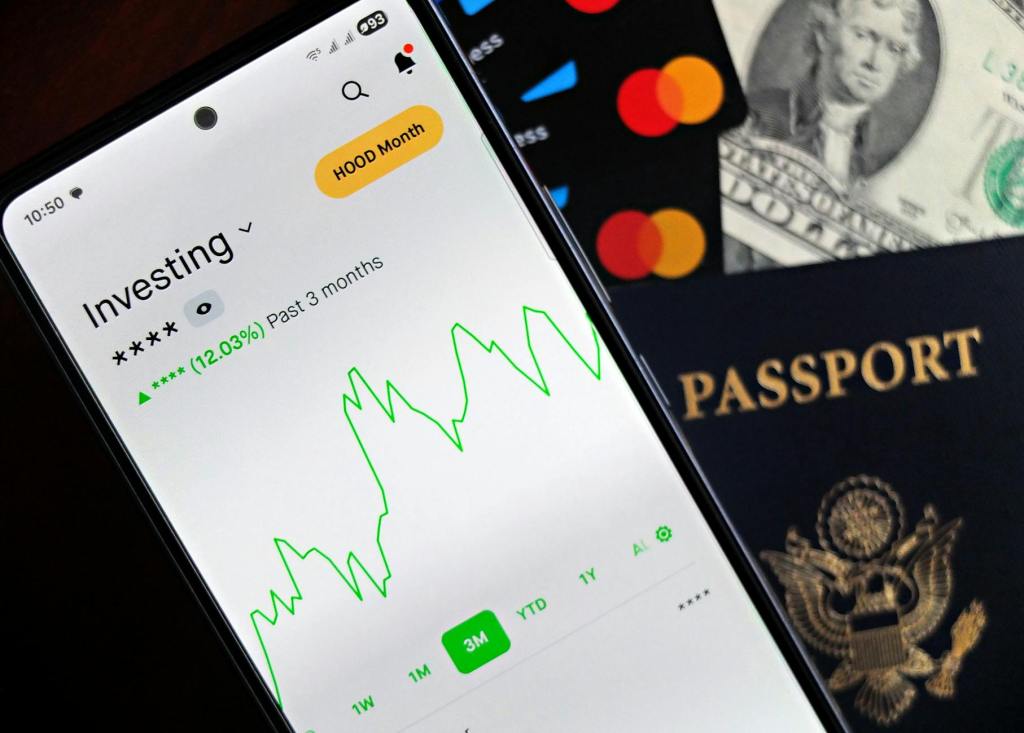
Another part of staying calm when money comes in is deciding where it should go, not just where it shouldn’t.
When I receive scholarships or larger sums, I try to remind myself that this money has purpose beyond immediate spending. It’s not just extra it’s opportunity.
For me, that’s meant learning to invest and intentionally allocate money toward long-term growth. Instead of letting everything sit in one place or slowly disappear through small purchases, I try to put portions toward things that build over time.
That doesn’t mean I invest perfectly or always know the “best” move. It means I’m thinking beyond the moment.
Scholarships especially changed my perspective. Receiving that kind of support made me more aware that the money wasn’t random it was given to help me move forward. Treating it casually didn’t sit right with me.
So I try to be intentional. Some goes toward investing. Some toward future goals. Some toward stability. The point isn’t maximizing every dollar it’s honoring the opportunity responsibly.
Learning to invest has taught me patience. It’s another reminder that growth doesn’t need urgency. It needs consistency.
Faith Keeps Me Grounded in the Moment
Faith has helped me not let money control my emotions whether it’s tight or abundant.
Instead of reacting, I try to pause and ask for wisdom. Not perfection. Not fear. Just clarity.
There is a verse that’s been shaping how I think about money lately (Luke 16: 10-11)
“Whoever is faithful in a very little is faithful also in much; and whoever is dishonest in a very little is dishonest also in much. 11If then you have not been faithful with the dishonest wealth, who will entrust to you the true riches?”
This reminds me that God demands our faithfulness whether we have a lot of money, or little money, and whether we manage our own money, or someone else’s money.
Discipline isn’t about restriction it’s about alignment.
Calm Is the Skill That Protects Every Win
Large sums don’t require large reactions.
They require clarity.
I’m learning that staying calm when money comes in is just as important as staying disciplined when money is tight. Calm protects progress whether that progress is saving, investing, or preparing for what’s next.
I don’t handle every moment perfectly. But I’m building the habit of pausing, reflecting, and choosing intentionally.
And for me it’s built brick by brick.
Faith. Finance. Fun.
 Brick by Brick Finance
Leave a comment